

Income Insurance Online :: News
SHARE

Share this news item!

Lithium Battery Fire Risk Puts Boat Cover Under the Spotlight

Why onboard charging habits, storage and policy details now deserve closer attention

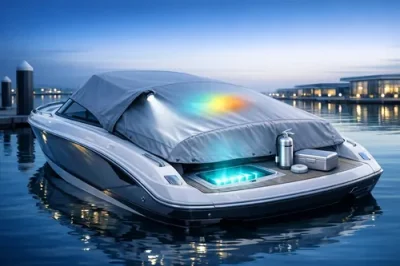
Lithium Battery Fire Risk Puts Boat Cover Under the Spotlight?w=400

The information on this website is general in nature and does not take into account your objectives, financial situation, or needs. Consider seeking personal advice from a licensed adviser before acting on any information.

Fresh marine safety attention on lithium-ion battery fires is a timely warning for Australian boat owners, particularly as more vessels carry rechargeable equipment.
From electric tenders and fishing electronics to portable fridges, power tools, e-foils, scooters and camera gear, modern boating increasingly depends on compact batteries that can store a lot of energy in a small space.

The risk is not that every lithium battery is unsafe. The concern is what can happen when batteries are damaged, poorly charged, exposed to heat, stored near fuel or left unattended in confined spaces. A thermal runaway event can escalate quickly, creating intense heat, toxic smoke and difficult-to-control fire conditions. On a boat, where escape routes may be limited and firefighting resources are constrained, that risk carries both safety and insurance implications.

For boat insurance customers, the practical lesson is to treat battery management as part of vessel risk management. Insurers may look closely at maintenance, safe storage, modifications and whether equipment was used in line with manufacturer instructions when assessing a fire-related claim. If a battery system has been retrofitted, hardwired, upgraded or used to support significant onboard loads, owners should check whether that change affects disclosure obligations, electrical compliance or the insured value of the vessel and accessories.

This is especially relevant for owners of cruisers, yachts, fishing boats and personal watercraft support vessels that now carry multiple devices. It is also important for small commercial operators, including charter and fishing tour businesses, where passenger safety, business interruption and liability exposures can add complexity beyond damage to the hull itself.

Key precautions include:

  • using chargers supplied or recommended by the manufacturer;
  • charging batteries in a ventilated area away from fuel, soft furnishings and escape paths;
  • checking for swelling, corrosion, water ingress or impact damage;
  • avoiding unattended overnight charging where possible;
  • keeping batteries out of extreme heat and direct sun when stored;
  • recording major electrical upgrades and retaining invoices or installation details.

The insurance angle is not limited to fire damage. Battery-related incidents can involve salvage, clean-up, marina damage, third-party property loss and personal injury. That makes it important to read the policy wording, including exclusions for wear and tear, gradual deterioration, unapproved modifications and unattended operation.

Owners should also revisit their accessories and equipment values. Rechargeable marine gear can be expensive, and recent upgrades may not be reflected in an old schedule. Before renewal, it may be useful to estimate an appropriate sum insured so the hull, motors, trailer, electronics and onboard equipment are not understated.

Battery technology is here to stay, but safer habits and clearer insurance records can reduce the chance of a preventable loss turning into a disputed claim.

Published:Wednesday, 12th Aug 2026
Author: Paige Estritori

Please Note: We do not endorse any specific products or companies. Some content is sourced from third parties, including press releases, and may not be independently verified for accuracy or completeness.

Share this news item:

Rate this article

0 Comments

No comments yet. Be the first to share your thoughts.

Insurance News

Why Climate Risk Is Back on the Truck Insurance Agenda
13 Aug 2026: Paige Estritori
A fresh round of insurance industry warnings about climate exposure is a timely reminder for Australian truck operators that weather risk is no longer a background issue. Floods, bushfires, severe storms and prolonged road closures can affect far more than a single damaged vehicle. For owner-drivers and fleet managers, the larger concern is often the chain reaction: stranded equipment, missed delivery windows, cargo complications, depot damage and extended downtime while repair networks are under pressure. - read more
Affordability Pressure Puts Trade Cover Back Under the Spotlight
13 Aug 2026: Paige Estritori
Fresh industry attention on insurance affordability is more than a household budget story. For Australian tradespeople, rising premiums, higher repair costs and uneven disaster exposure can flow directly into how clients fund work, how projects are scoped and how small trade businesses protect their own equipment, vehicles and liability risks. - read more
Why Claim Clarity Matters More Than Ever for Income Insurance
13 Aug 2026: Paige Estritori
Recent complaints reporting from Australia's financial dispute resolution system has put a practical issue back in front of workers: the value of income insurance is not only in the monthly benefit promised, but in how clearly a policy works when a claim is made. - read more
What electronic work diaries mean for truck insurance
13 Aug 2026: Paige Estritori
Recent transport industry coverage has again put electronic work diaries in the spotlight, as more heavy vehicle operators look for practical ways to manage fatigue obligations without relying solely on paper records. For Australian trucking businesses, the shift is more than an administrative upgrade. It has direct implications for compliance evidence, driver management, incident investigation and the way insurers assess operational risk. - read more
Life Code Findings Put Income Protection Claims Back Under the Microscope
12 Aug 2026: Paige Estritori
The latest industry attention on Life Insurance Code compliance is another reminder that income protection insurance is not just about having a policy in place. For working Australians, the real test comes when illness or injury interrupts earnings and a claim needs to move from paperwork to practical financial support. - read more


Life Insurance Articles

Income Protection vs. Life Insurance: What's Best for You?
Financial protection is an essential aspect of sound financial planning. It ensures that you and your family are safeguarded against unexpected events that could lead to financial hardship. Two common types of financial protection are income protection insurance and life insurance. - read more
Income Protection Insurance: Understanding Waiting Periods and Benefit Periods
Income protection insurance is a financial product designed to support individuals in the event that they are unable to work due to illness or injury. This type of insurance provides a regular income, helping to replace a portion of lost earnings and meet daily living expenses. Virtually anyone earning an income, especially those with financial dependents or significant debts, should consider the peace of mind that income protection can offer. - read more
Finding Accidental Coverage When Comprehensive Income Protection Isn't an Option
Income protection is an integral part of maintaining your financial security, especially in the event that unforeseen illnesses or injuries prevent you from working. Enabling you to receive a percentage of your regular income, this type of insurance provides a safety net, ensuring that you can continue to cover your living expenses and financial obligations whilst recovering. - read more
Navigating Pre-existing Conditions in Income Protection Insurance
Income protection insurance is a safeguard that provides individuals with financial stability in the event they are unable to work due to illness or injury. This type of insurance typically replaces a significant percentage of the insured's income, ensuring that their financial commitments can still be met during periods when they cannot earn an income through employment. - read more
Income Protection Insurance Explained: Ensure Your Livelihood in Times of Uncertainty
When life takes an unexpected turn, whether due to illness, injury, or other unforeseen events, the financial repercussions can be devastating. This is where income protection insurance becomes an essential component of maintaining financial stability. Income protection insurance acts as a safety net, ensuring that even in times of hardship, your financial obligations can be met, and your standard of living maintained. - read more

Knowledgebase
Claim Adjuster:
An insurance professional who investigates and evaluates insurance claims to determine the amount the insurance company should pay.